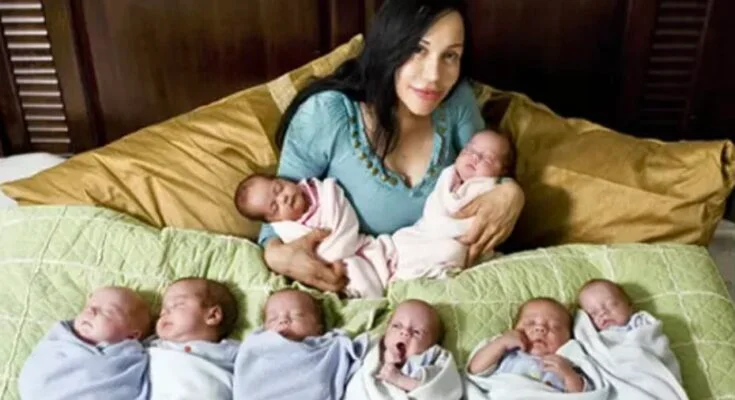
The world paused on January 26, 2022, to mark a remarkable milestone—exactly thirteen years since the birth of the most famous case of surviving octuplets in history. The eight babies—six boys and two girls—born on that day in 2009, in the United States, captured headlines and hearts worldwide. Their delivery was nothing short of extraordinary, happening via a highly complex cesarean section that drew immediate attention from the media, medical professionals, and millions of viewers who were both fascinated and inspired by this rare event.
The story of these eight siblings, now teenagers, is one that’s been intertwined with controversy, admiration, and a lot of public debate. Their mother, Nadya Suleman, who was just 34 at the time, had already raised six children prior to the octuplets, and her decision to pursue IVF treatments, which ultimately resulted in this miraculous birth, sparked both praise and condemnation. Many peoplequestioned the ethics of fertility clinics and doctors who authorized such procedures, especially given the risks involved. Suleman alleges that her doctor deceived her by transferring 12 embryos—an amount considered far too high—leading to the implantation of all her children. This claim ignited a firestorm of controversy that led to tighter regulations on IVF procedures in the United States.
The consequences of that case weren’t just personal; they had a lasting impact on medical standards. The doctor responsible, whose actions were seen as ethically questionable, ultimately lost his medical license because of the serious transgressions involved in the case. It was a stark reminder of the importance of ethical boundaries in reproductive medicine, and it pushed the industry to scrutinize more carefully how fertility treatments are administered.
Despite the often stormy media scrutiny, Suleman’s narrative has persisted. Nicknamed “Octomom” by the press, she became a figure many people admired for her resilience and love for her children, even as others criticized her for what they saw as reckless parenting or opportunism. Over the years, she has tried to reshape her story—appearing on reality TV shows, interviews, and public appearances—always maintaining that her love for her children is genuine, and that her motivations aren’t about fame or fortune. “I love my kids, and I don’t pursue them for money,” she has insisted many times, reaffirming her commitment to her family.
Today, the Suleman family does not live in poverty, as some critics once alleged. They have adjusted their lifestyle to fit their circumstances—living simply, but comfortably enough. Many viewers have followed her journey through social media posts, where she actively promotes a lifestyle centered on health, vegetarianism, and a positive outlook. She shares photos and stories of her octuplets growing up—smiling, playing, and embracing life’s small joys—images that reveal a family that’s weathered storms but still finds happiness in each other’s company.